Rummy Comparison: One-Step Improvements Versus Multi-Step Plans
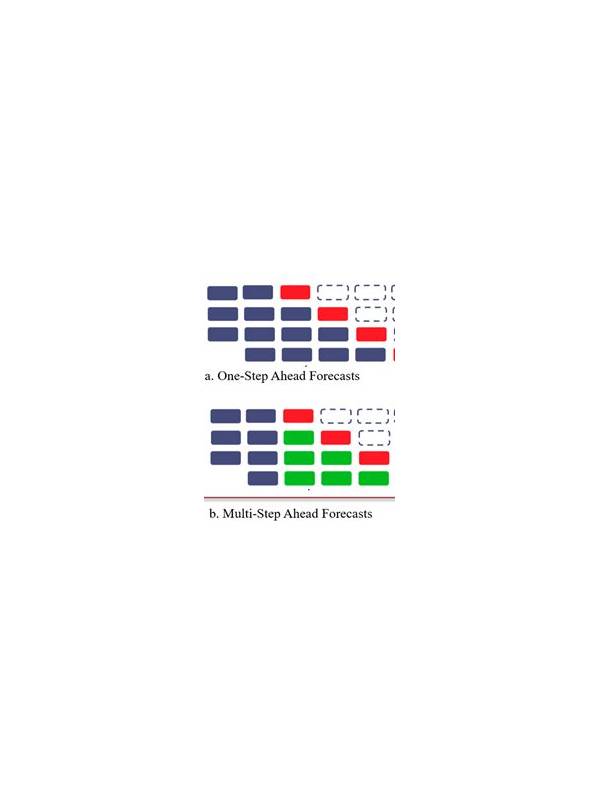
An immediate improvement is a draw that makes your hand visibly cleaner now. A multi-step plan keeps a card because it may support a stronger arrangement after several future draws. Both approaches can be reasonable, but they carry different uncertainty. Comparing them explicitly can prevent you from confusing potential with progress.
Start by describing the immediate route. Which group becomes more complete, which loose card disappears, and what penalty remains if no helpful card arrives next? Then describe the multi-step route in the same format. Name the required cards, the number of turns you are willing to wait, and the likely discard if the idea fails.
Immediate improvements are attractive because they reduce clutter and often lower risk. They are particularly useful late in a round, when there may be little time to repair a hand. Their weakness is that a small improvement can hide a poor final structure. A pair that looks better after one draw is not automatically closer to a valid declaration.
Multi-step plans can produce efficient combinations, especially when one card serves more than one purpose. Their cost is commitment. Every turn spent waiting is a turn in which other cards remain loose, and the needed cards may become less available. A plan should have a review point rather than an unlimited lease on your hand.
Use a two-column comparison: “gain if it works” and “cost if it fails.” Include points, legality, flexibility, and the number of cards that would still need jobs. If the multi-step route has a larger theoretical gain but a much larger failure cost, choose it only when the timing and table evidence justify the risk.
There is no universal winner. The best choice changes with the format, score, hand size, and remaining turns. The comparison itself is the skill. Once you can state both routes plainly, you are less likely to keep a card simply because it suggests an impressive future arrangement. If the routes remain close, choose the one you can explain most clearly. Clear reasoning makes a missed draw easier to review and a successful draw easier to repeat. Avoid selecting the multi-step route simply because it appears more skillful. A sound decision may be modest: reduce exposure, preserve a valid base, and leave yourself one manageable choice on the next turn. It can help to rank the routes before looking at the next card. This reduces hindsight bias: you can later see whether the decision changed because of evidence or because the latest card simply felt exciting. Keep the ranking provisional, and revise it when the hand changes in a meaningful way.