Rummy Comparison: Rank Groups Versus Suit Groups
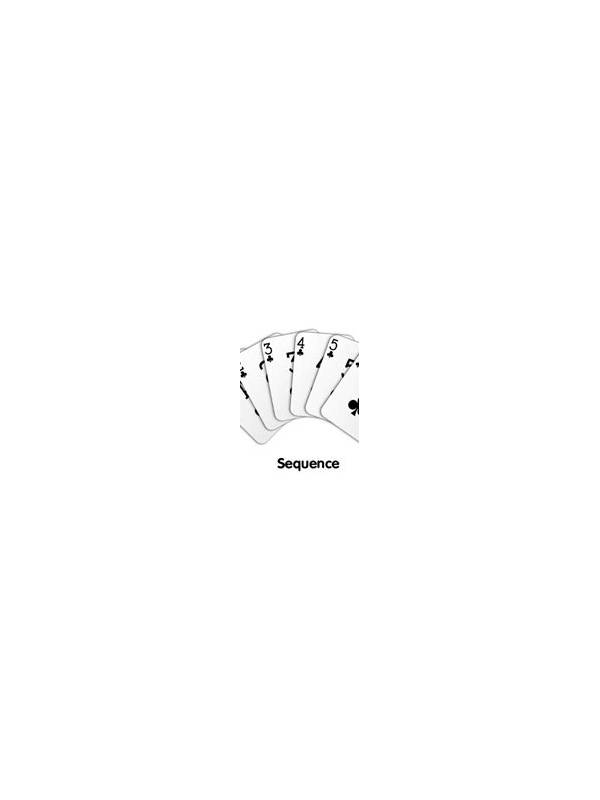
Sets and sequences organize cards in different ways. A set groups cards of the same rank across suits, while a sequence connects consecutive ranks in one suit. Neither is automatically better. The right choice depends on the hand’s confirmed groups, available routes, and the rules of the format.
Rank-based groups can be easy to recognize because the shared rank is obvious. They may also be useful when several suits offer the same rank. Their weakness is that they often consume cards that could serve as connectors in sequences. Before holding a set, check whether one of its cards is the anchor for a stronger pure sequence.
Suit-based sequences can provide a clear path, especially when adjacent cards are already present. Open-ended connections may offer more than one waiting rank, but a tight sequence can depend on one exact card. A long sequence may look impressive while leaving other cards unorganized. Always evaluate the remaining hand, not just the group in front of you.
Compare the groups by asking which one protects legality, which one leaves more exit routes, and which one uses shared cards more efficiently. If a card belongs to both a possible set and a possible sequence, write down the consequence of assigning it either way. This makes the trade-off visible instead of allowing the most attractive pattern to win automatically.
Practice with the same thirteen cards and build two arrangements: one emphasizing sets and one emphasizing sequences. Count the loose cards and identify the waiting cards in each version. The exercise shows why group type should follow evidence. Strong rummy decisions are not about loyalty to sets or sequences; they are about choosing the structure that remains most workable after the next draw. Do not compare groups only by how complete they look. Check whether their cards are easy to identify, whether they leave a safe discard, and whether they satisfy the format’s most important requirements. A slightly shorter but confirmed sequence may be strategically safer than a large set that competes with every other card in the hand.
In a review, draw the same replacement card into both arrangements and see which layout adapts more cleanly. This simple counterfactual reveals flexibility without requiring exact odds. It also teaches you to judge a group by its future consequences rather than its immediate visual appeal. The comparison is not a rule for every hand. Some formats give one group type special importance, and some situations make a narrow route necessary. Confirm the format first, then use the comparison to understand the trade-off inside those constraints.