Rummy Opening Hand Review: A Three-Minute Preparation Routine
The first few turns of a rummy hand can feel deceptively simple. You draw one card, choose one card to discard, and wait for the next opportunity. Yet those early decisions shape the rest of the hand. A useful opening review gives you a calm way to organize information without pretending that the first deal reveals the final result.
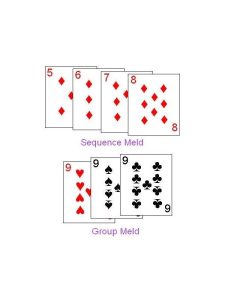
Start by separating cards that already have a clear relationship from cards that are merely attractive. A pair may become a set, but it is not a completed group. Two neighboring cards may become a sequence, but they still need the right connector. Put these possibilities into separate mental categories: nearly usable, flexible, and isolated. This prevents one appealing pair from receiving all your attention.
Next, look for a route to a pure sequence. In many Indian-rummy formats, that requirement matters more than a high-value combination. A low or medium card that completes a natural run can therefore be more valuable than an expensive face card. Check both same-suit neighbors and alternative suits before deciding which card is truly expendable.
Then count flexibility. A six of hearts can connect to a five or seven of hearts, while a pair of queens usually has fewer immediate uses. A card with several plausible partners deserves a little patience, provided it does not keep you from protecting a strong sequence. Flexibility is useful, but it is not a reason to keep every speculative card.
Before the first discard, make a simple plan with two parts: the combination you want to protect and the type of card you will release if no improvement appears. The plan should be easy to change. If the discard pile reveals that another player is collecting a suit, avoid feeding that pattern when you can. If a promising route stays blocked for several turns, reassess rather than defending it emotionally.
Finally, give yourself a time limit. A three-minute review does not mean staring at the hand for three minutes on every turn. It means learning to perform the same checks quickly: pure-sequence route, useful connections, flexibility, and safest discard. Good preparation reduces noise. It does not guarantee a win, but it makes each early decision more deliberate and easier to explain afterward.
If the hand is still unclear after the review, choose a modest objective rather than inventing certainty. Protect the strongest natural connection, release one risky outlier, and wait for new information. This keeps the next turn open and gives you a clear reason to reassess.