Rummy How-To: Make a Route Dependency Map
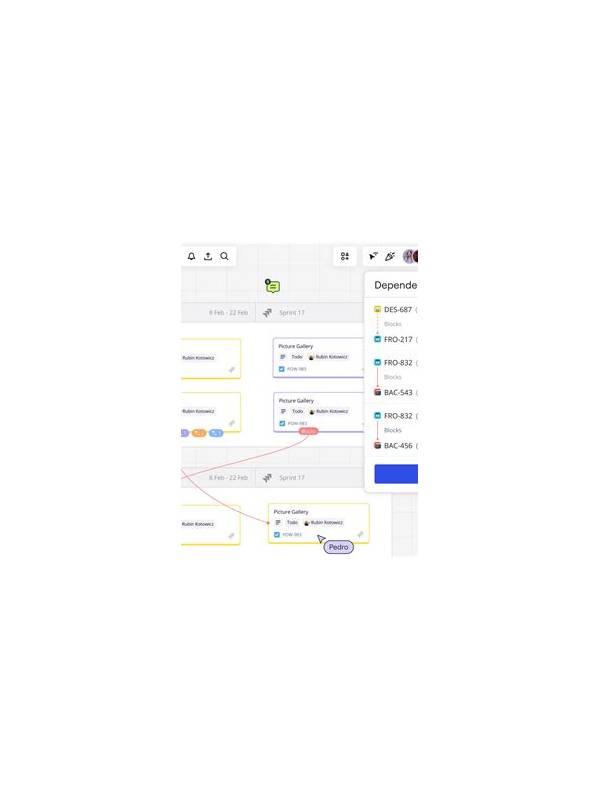
A route dependency map shows what each possible group still needs. It is useful when a hand contains several overlapping cards and you are unsure which plan is genuinely closest to completion.
List your candidate routes in separate lines. For each sequence, write the missing ranks that could complete it. For each set, write the matching suits still needed. Then mark whether a joker can fill the gap under the rules you are using. Keep the list short: include only routes supported by cards already in your hand.
Next, mark the number of helpers. A route needing any one of four practical cards is more flexible than one needing a single exact card. Now mark overlap between routes. If two routes need the same card, they are competing for one dependency. A map makes that conflict visible before you commit to both patterns.
Use the map to rank routes by quality. Favor routes with fewer dependencies, broader helpers, and less overlap with your strongest existing group. A route can still be valuable when it needs one exact card, but it should have a clear time limit. Otherwise, it may keep an unsupported card in your hand while better opportunities pass.
Update the map after a draw or a meaningful discard. Cross out dependencies that are no longer available or less likely, and add a new route only when the new card supports it. Do not redraw the entire map for every theoretical possibility; the purpose is clarity.
During review, ask whether your chosen route actually reduced dependencies. If not, you may have mistaken flexibility for progress. With practice, you will need fewer written marks because the same reasoning becomes an internal habit.
The map is not a prediction of the next card. It is a comparison tool for the routes available now. Mark uncertain helpers as uncertain, and remove a route when its cost becomes unreasonable. That discipline prevents a neat-looking diagram from creating false confidence and keeps the focus on decisions supported by current information.
You can make the map verbal when writing is inconvenient. Say, “Route A needs one of three cards; Route B needs one exact card and overlaps my anchor.” This sentence is enough to expose the main trade-off. With repetition, the map becomes a mental checklist that takes only a few seconds and helps you avoid chasing every attractive pattern.