Comparing Closed-Deck and Open-Discard Draws in Rummy
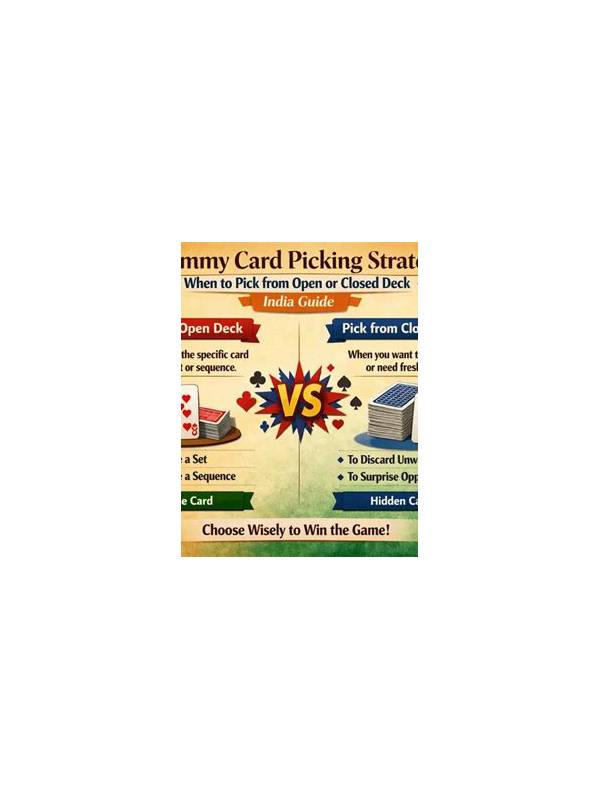
Every rummy turn contains a small choice with large consequences: draw from the closed deck or take the visible discard. The closed deck hides information but protects your intentions. The discard pile reveals the card you receive, yet it may tell opponents what you are building. Neither option is automatically superior.
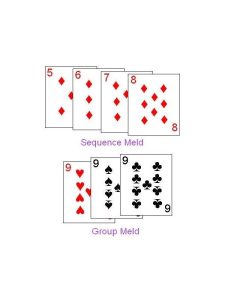
Choose the visible discard when it makes a clear improvement. A card that completes a pure sequence, closes a group, or removes a dangerous high-value card from your hand can justify showing interest. The improvement should be concrete rather than speculative. Taking a card only because it is the same suit as one card in your hand may create more clutter than progress.
The closed deck is useful when you want flexibility or privacy. If several cards could improve your structure, drawing unseen prevents opponents from learning which route you prefer. It also helps when the top discard is attractive but would require you to hold an awkward card for too long. Uncertainty is not always a disadvantage; sometimes it protects a better plan.
Before taking from the discard pile, inspect the card’s information cost. Other players may not know exactly why you took it, but they can record its rank and suit. If that card completes a visible run or pairs with a card you already exposed through earlier discards, the signal is stronger. When two draws have similar value, privacy can break the tie.
Your position in the hand matters as well. Early on, a closed draw may be worth the chance of discovering a new direction. Later, a visible card that reduces deadwood may be more important than secrecy. Near a possible declaration, calculate the immediate reduction in unmatched cards and confirm that the new arrangement remains legal.
Do not let the discard pile dictate your emotions. Missing a useful card can create urgency, but urgency does not improve the next draw. Make the decision using three checks: does the card improve a valid combination, what must leave the hand, and what information does the choice reveal? If the answers are acceptable, take it. If not, preserve your structure and draw unseen.
The comparison is therefore not closed deck versus discard pile in the abstract. It is improvement versus flexibility, information versus privacy, and immediate value versus future options. Evaluating those trade-offs each turn produces steadier decisions than following a fixed rule.
Keep the decision proportional to the hand. A single draw rarely determines the entire result, so avoid turning an ordinary choice into a prediction about the whole game. Make the best comparison available, record what changed, and be ready to use a different option when the next card provides better evidence.