Rummy FAQ: What Is a Good Fallback Plan?
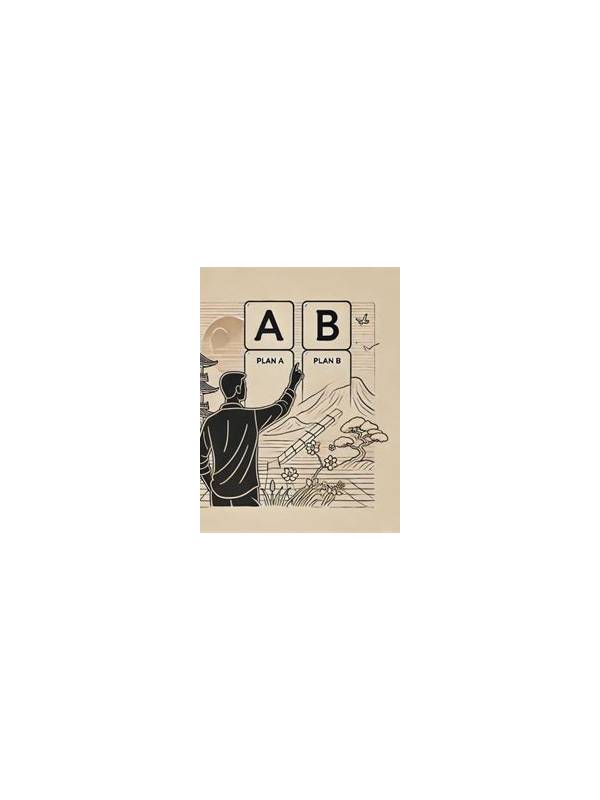
A fallback plan is the action you will take when your preferred draw or arrangement does not develop. It is not pessimism. It is a way to prevent one narrow idea from controlling every later decision.
Create the fallback after your first hand scan. State the main route in plain language, such as completing a pure sequence, and then name the cards that can be released if the route weakens. A fallback should be specific enough to guide a discard. “I will adapt” is a feeling; “I will release this pair after two misses” is a plan.
Use evidence to trigger the change. A needed card may appear in the discard pile, a new draw may create a stronger group, or the remaining hand may show that your original route is too narrow. Avoid changing plans after every harmless miss. At the same time, do not move the deadline simply because you like the pair you have been keeping.
A strong fallback protects the most important requirement first. In a format that requires a pure sequence, do not sacrifice that requirement for a speculative set without a clear reason. It also considers point exposure and the number of turns left. A plan that is reasonable early may be too risky late.
Write the fallback in a review note after the hand. Did it activate at the right time? Did you ignore it because the evidence was unclear, or because you were attached to the original idea? Keep the answer neutral. The purpose is to improve future timing, not to invent certainty after the result.
Good fallback plans make ordinary losses easier to interpret. They cannot control the shuffle, but they can keep a missed draw from becoming a chain of rushed choices. In rummy, flexibility is strongest when it has a boundary.
Keep the boundary easy to remember. A turn count, a visible card, or a completed alternative group is better than a complicated formula that disappears under pressure. You can name one card that must be protected and one card that can be sacrificed. The plan should reduce decisions, not add another puzzle to an already changing hand.
Rehearse the fallback with sample hands. Pause when the main route misses, say the trigger aloud, and make one replacement discard. This builds a habit of changing plans calmly. A fallback remains useful even when it leads to a losing hand because it limits confusion and keeps the next choice understandable.