Rummy Strategy: Use the Last Two Turns as a Separate Phase
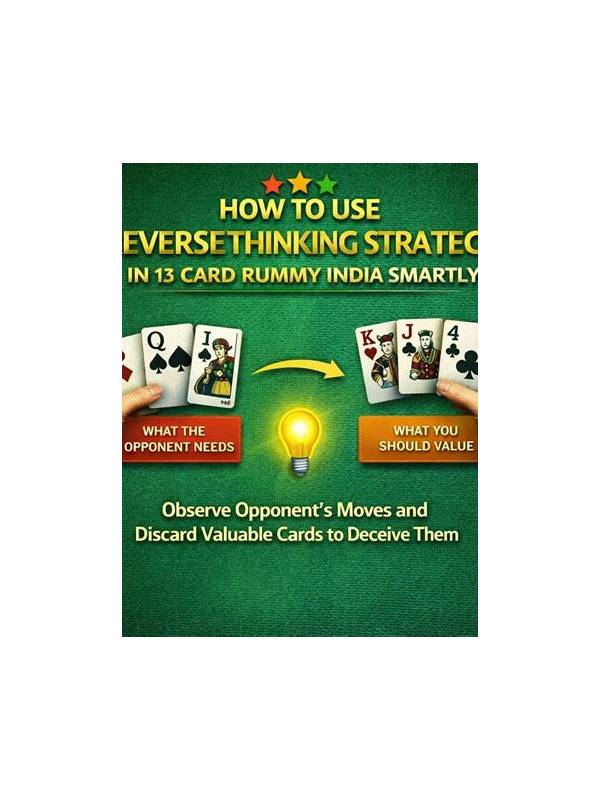
The last two turns of a rummy hand deserve a different style of thinking. Earlier, you can test routes and preserve options. Near the end, the priority becomes a legal, understandable hand with controlled exposure. Separating the phases prevents an exciting late draw from disrupting a sound structure.
Begin by checking the required groups. Count complete sequences and sets according to the table rules. Do not rely on visual similarity; confirm that a group is legal and that any joker use is permitted. If a required pure sequence is missing, give that fact priority over a cosmetic rearrangement.
Next, sort the unfinished cards by distance from completion. A group needing one realistic card may deserve one final test. A group needing several exact cards usually needs a fallback. Decide which cards you can safely release if the needed draw does not arrive. This makes the next discard intentional rather than desperate.
Then evaluate point exposure. If the hand ends unexpectedly, which loose cards cost the most? A low card can still be important to a sequence, so compare point value with structure. Avoid breaking a valid group merely to reduce a small amount of exposure unless the rules and situation clearly justify it.
Use the remaining timer carefully. Read the hand, check the legal move, and leave enough time for the interface to register your action. Do not open unrelated screens or chase a bonus during the final phase. If the software behaves unexpectedly, follow the service’s documented support process after the hand rather than making repeated risky clicks.
The final phase is not a guarantee that the best draw will arrive. It is a method for limiting avoidable errors when information is incomplete and time is short. A clear fallback can be more valuable than a last-minute plan that depends on several unlikely events.
After the hand, review final-phase choices separately from the opening. Did you protect a legal structure? Did you make the fallback visible soon enough? Did the timer influence your action because of the software or because you delayed earlier? These questions improve the phase transition. They do not turn an unlucky draw into a mistake or an eventual win into proof that every choice was sound.