Rummy FAQ: How Do You Build a Backup Route?
Build the alternative while the hand still has flexibility. A backup route is a comparison tool, not a promise that every missed draw can be repaired.
State the trigger for considering it before the next turn. A missed draw, a new high-point card, or a changed table requirement can all justify reassessment. The trigger should prompt comparison, not force an automatic switch.
What is a recovery route?
A recovery route is a backup way to improve or finish a rummy hand when the preferred plan does not develop. It may involve a different sequence, a set using another rank, or a low-risk discard plan that reduces points while you reassess. A recovery route is not a guarantee; it is a way to avoid treating one missed draw as the end of the hand.
Why should I plan one?
Plans that depend on one exact card can make a player wait without evaluating the cost. A recovery route gives you a review point and an alternative question. Instead of asking only, “Will I get the card I want?” you can ask, “What is the best legal direction if I do not?” This supports patience without turning patience into stubbornness.
How do I find one?
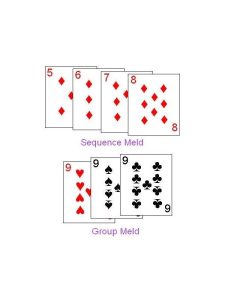
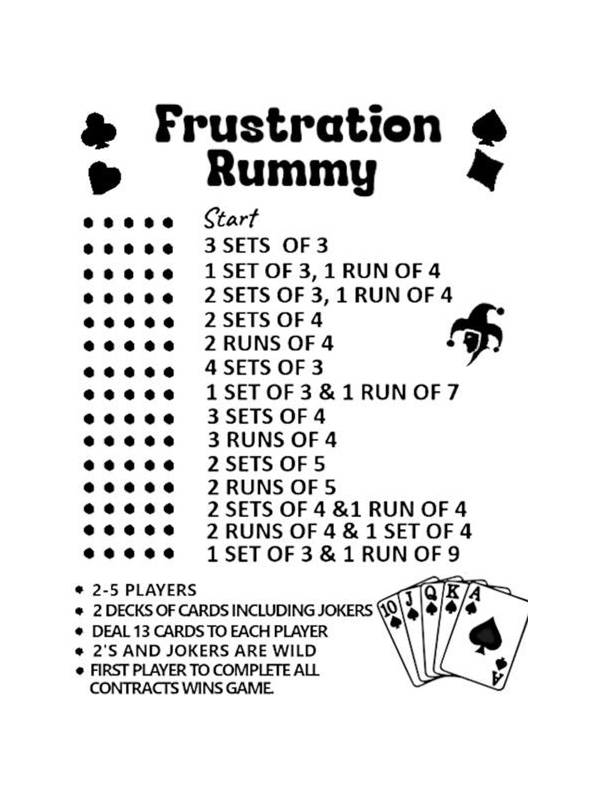
List your preferred route and the cards it needs. Then remove that route from consideration for a moment. Look at the remaining cards and identify a group that can become legal with fewer assumptions. A recovery route may be less elegant but more flexible. Check the format’s required sequences and scoring before choosing it.
When should I switch?
Set a trigger before the next draw. The trigger might be one more miss, a relevant card appearing in the discard pile, or the need to release a high-point card. When the trigger occurs, compare the preferred and recovery routes using current information. You do not have to switch automatically; you do have to reassess deliberately.
Does a recovery route mean playing defensively?
Not necessarily. It can be an aggressive route with several completion cards, or a defensive route that limits penalty points. Its value is flexibility and clarity. A route that keeps multiple legal options open may be stronger than a faster-looking plan that depends on one narrow draw.
How can I practise this skill?
Deal a sample hand and write one preferred route plus one recovery route before drawing. After each turn, mark whether both remain viable. Review the first point where the backup became visible or should have been considered. This practice teaches you to keep a hand adaptable without holding every card forever.