Rummy FAQ: How Do You Judge a Card With Two Jobs?

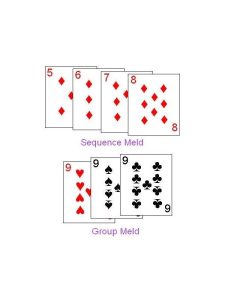
What does it mean for a card to have two jobs? It means the same card could support two different legal plans. A middle card might connect to a same-suit sequence and also match cards of its rank for a set. A joker may help complete one group or preserve another. The two jobs are alternatives until the hand contains enough cards to support both.
Is two jobs automatically better than one? No. A card with two weak jobs can be less useful than a card with one reliable job. For each role, name the cards still needed and whether the route remains available. A role that depends on one exact draw should be labelled narrow. A role with several practical improvements is broader, but it may also carry a higher opportunity cost.
What is opportunity cost here? It is what you lose by keeping the card for one role. Holding a 7 for a possible set may prevent you from discarding a high-point single, or preserving it for a sequence may require breaking a cleaner group. Compare the whole hand after each choice rather than evaluating the card in isolation.
When should I choose a job? Choose when new information makes one route clearly stronger, when one route becomes blocked, or when the hand needs simplification. You can also set a review point after the next draw. Avoid keeping the card indefinitely just because both jobs remain theoretically possible.
Can the card change jobs later? Yes, and that is the point of flexibility. Reassess after every important draw or visible discard. A good plan allows a card to change roles without forcing a costly rebuild. The best two-job cards are not magical; they simply preserve more reasonable choices while the hand develops. Be careful with language during review. Say “this card can support route A or route B” rather than “this card belongs to both.” The first wording preserves the fact that the routes compete for the same physical card. That distinction makes it easier to choose when new evidence arrives and prevents an attractive diagram from pretending that one card can do two jobs at once. In a practice round, say the reason for the choice in one sentence before moving on. This makes the idea testable and keeps the review anchored to evidence. If the hand changes, update the sentence instead of defending the old plan. The cards will still contain uncertainty, but the decision will have a clear basis. A short routine also works for beginners because it focuses attention on one visible trade-off at a time. After several rounds, compare the sentences and note which assumptions were consistently useful, which were too narrow, and which caused unnecessary delay. That comparison can guide a focused drill for the next session.