Rummy FAQ: Is a Low-Point Card Always the Best Discard?
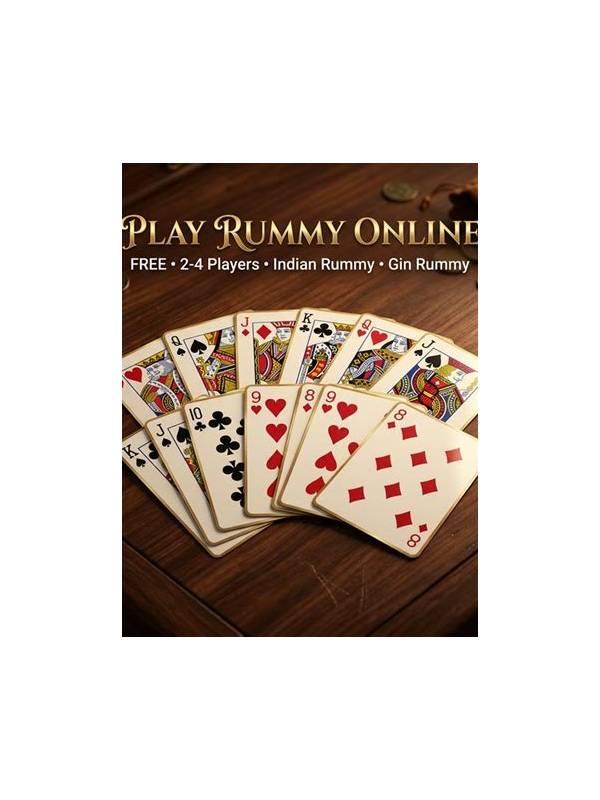
A low-point card is not automatically the best discard. Point value is important because an incomplete hand can carry a penalty, but a low card may be part of a nearly finished pure sequence or a useful set. Discarding it without checking structure can trade a small immediate benefit for a larger future problem.
Start by asking whether the card belongs to a confirmed group. A card in a complete pure sequence should generally be protected under the table’s rules. A card in a developing group requires more judgment. If it has several realistic connections and the rest of your hand is safe, keeping it may be reasonable. If it is isolated and low value, it becomes a stronger discard candidate.
Compare the card with higher-point alternatives. A connected ten may be more valuable than an isolated three because it helps reduce the number of unfinished cards. However, the ten carries more risk if the plan fails. The best choice balances connection value against the cost of remaining incomplete, rather than following a single “discard the highest card” rule.
The discard pile provides another clue. If related cards have already appeared, the low-point card may be less useful than it looked. If several needed cards remain unseen and the card connects two possible routes, its flexibility may justify another turn. These are estimates, not guarantees, so set a deadline when the route is narrow.
Use a quick scorecard: role in a group, number of realistic completions, point cost, and effect on your required sequence. The card with the weakest combined case is usually the correct release. This method works even when two candidates have similar point values.
Finally, separate a discard mistake from a bad draw. Sometimes a sound discard is followed by an unlucky result. Review whether the decision was supported by the information available then. Good rummy choices manage risk; they do not promise that every released card would have been useless or that every kept card will eventually help.
If two cards have similar structure and point value, use future flexibility as the tie-breaker. Keep the card that can join more than one realistic group, provided it does not threaten the required sequence. If neither card has a meaningful role, release the one that leaves your hand simplest to review. Simplicity reduces later hesitation and makes the next draw easier to judge.
Point value should remain a tie-breaker, not the entire method. A low card that blocks your only useful route may be worth more than an isolated high card for one turn. Recheck the choice after every meaningful draw.