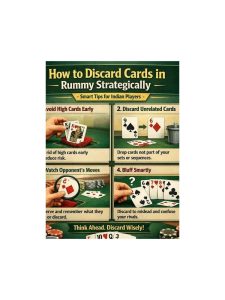
Rummy Guide: Track What the Table Has Not Shown
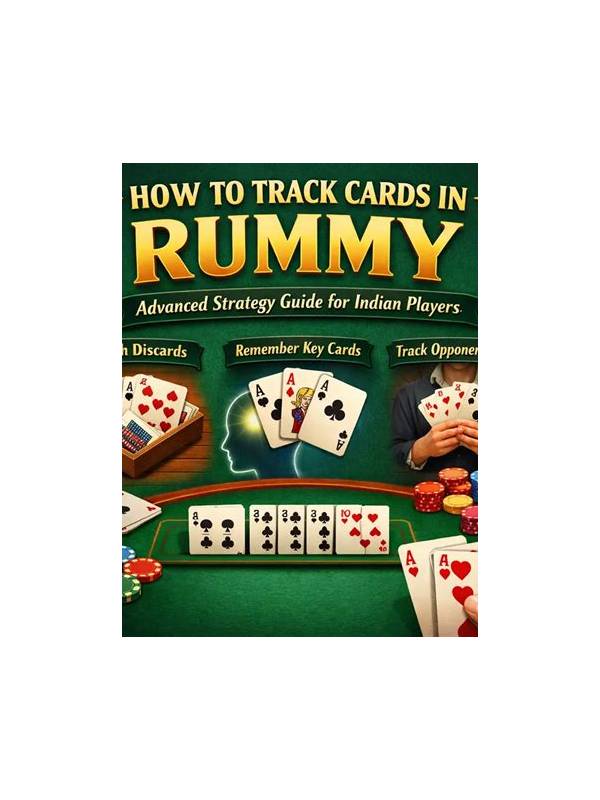
The table reveals information through draws, discards, and completed groups, but it also creates useful gaps. Cards that have not appeared may still be available, or they may be held by another player. The important discipline is to treat absence as uncertainty rather than proof.
Keep the record small enough to update honestly. If you lose track of the order or cannot remember whether a card was visible, mark the information as uncertain instead of filling the gap with an assumption. Good tracking includes limits on what you know.
Start with a small record of what is visible. Note cards that have been discarded, groups that have been exposed under the rules, and routes that have clearly become less likely. Then list one or two missing cards that matter to your own hand. Do not attempt to track every card if doing so distracts you from legal play and current decisions.
Use the record to compare routes. If one plan depends on several cards that remain unobserved, it may still be viable, but it should be described as uncertain. If another plan uses a card already seen in a discard, the route may be less attractive unless the rules or remaining deck make that information relevant in a different way.
Avoid the common mistake of turning silence into certainty. An opponent who has not taken a visible discard may not need it, may not have noticed it, or may be following a different plan. The record should improve your questions, not create a confident story without evidence.
Review the list after each meaningful reveal. Cross out information that is no longer useful and add only items that affect a decision. A short, current note is better than a large record that you cannot interpret under time pressure.
This practice also supports safer discards. Before releasing a card, ask whether its absence from the visible record tells you anything reliable and whether the card is valuable to your own structure. External risk is only one factor.
The skill is selective attention. Track enough of what has and has not appeared to compare realistic routes, then return your focus to your hand. Good observation reduces guesswork; it does not remove uncertainty from a shuffled game.
The same principle applies to your own unseen cards. Do not assume that a desired card is available simply because it has not appeared. Treat it as a possibility with a cost, and compare it with routes that need fewer unknowns. This keeps the record useful without turning it into false certainty.