Rummy How-To: Read a Discard Pile in Three Passes
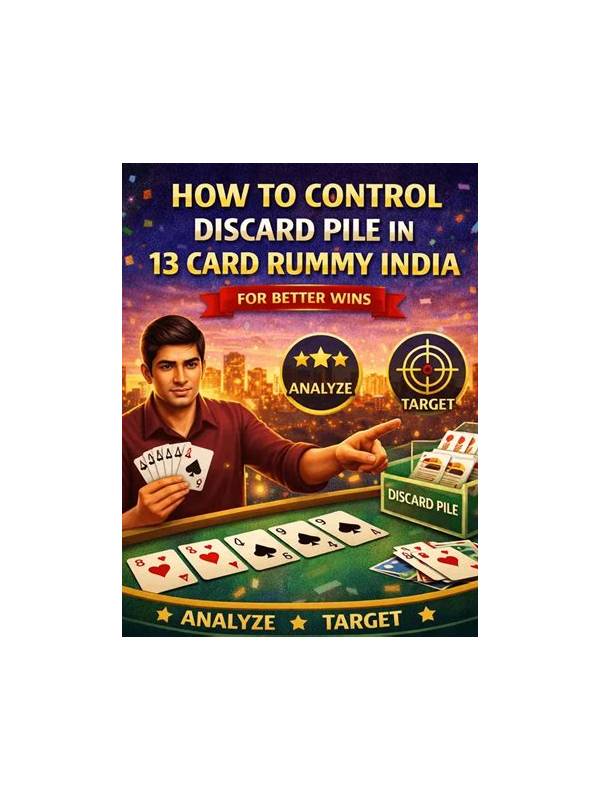
The discard pile can provide information, but it can also invite overconfidence. A three-pass method keeps your attention focused. Read the pile for immediate opportunity, repeated structure, and caution. Then return to your own hand before choosing a card.
The first pass is immediate opportunity. Look only for a card that directly completes or materially improves one of your groups. If a visible card completes a required pure sequence, it may deserve serious consideration. If it merely creates another attractive pair, compare it with the cards you already hold before drawing it.
The second pass is repeated structure. Notice whether several cards of one suit, rank, or neighboring range have appeared. This can help you estimate which routes have become less comfortable, but it is not a count of hidden cards. Multiple players may have different plans, and a card can be discarded for reasons you cannot see.
The third pass is caution. Ask what information your pickup would reveal and whether the card could help an opponent if you later release it. This is not a reason to avoid the open pile entirely. It is a reminder that an immediate improvement can have a visible cost. In a fast game, use a short rule: take an open card when it clearly improves structure, not merely because it is interesting.
After the three passes, compare the open card with a closed draw. Identify the exact group it supports and the card you would release if you take it. If you cannot answer both questions, the draw may be premature. Also check the format’s rules about taking and discarding from the pile.
Practice by reviewing old hands without making decisions. Cover the later cards, pause at each discard, and write two possible interpretations rather than one certain story. This develops observation while preserving humility. The discard pile is a source of clues, not a window into every opponent’s hand.
Do not treat the visible pile as a memory contest. If the table moves quickly, focus on the most recent relevant cards and let older details go. A small accurate observation is safer than a long imagined pattern. In review, cover the pile and ask what decision you could justify without it; then uncover it and see whether the information truly changed your choice.