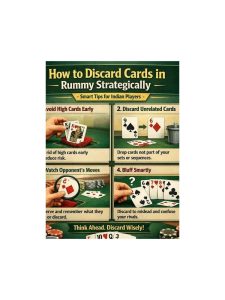
Rummy Tips: Compare Cards by the Cost of Releasing Them
When two possible discards seem similar, compare what each release destroys. This shifts attention from the card you like to the structure you would lose. A card may be attractive in isolation, yet inexpensive to release because it belongs to a weak or duplicated plan.
For each candidate, describe the relationship it currently supports. Does it complete a sequence, extend a near run, support a pair, or merely sit near another card? Then imagine removing it. If one discard leaves a complete structure untouched while another breaks your only sequence, the first is usually the gentler release.
Do not stop at immediate damage. Consider future destinations after the discard. Breaking a pair may free a card that was blocking a flexible route, while breaking a bridge may leave several isolated cards. The better discard is often the one that makes the remaining hand easier to read, even if it feels less satisfying at the moment.
Include point exposure in the comparison. Releasing a low-value card that preserves a narrow high-value pair may be poor risk management. Conversely, releasing one member of a high pair can be sensible if the remaining card has several destinations. Value the whole hand after release, not the emotional comfort of keeping a visible group.
Table information can change the cost. If an opponent has taken a card that would complete your sequence, the structure is less secure. If the discard pile shows that several destinations remain unseen, retaining a bridge may be reasonable. The cost of release is therefore dynamic; revisit it after meaningful public information.
Try a written comparison with two columns: “what breaks” and “what remains.” Add a third column for “new destinations.” This takes less time than debating a vague feeling. It is especially useful when the hand is crowded and several cards appear connected.
The method does not guarantee a winning discard. It provides a disciplined way to choose under uncertainty. You are asking which release leaves the strongest combination of structure, flexibility, and manageable risk. That question remains useful even when the next draw is unkind.
When you review the choice later, write down the discarded card and the structure that remained. This small record shows whether the release really improved the hand or only felt comfortable. Repeated comparisons will sharpen your sense of which relationships are worth preserving.
If the two candidates have equal structural cost, prefer the release that leaves your hand easier to describe. Clearer remaining plans reduce rushed decisions on the next turn and make later reviews more reliable.