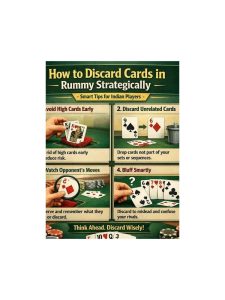
Rummy Tips: Prepare a Fallback Before Drawing

Many players decide what to discard only after seeing the new card. That is necessary, but preparing one backup candidate first makes the turn calmer. A backup is not a commitment. It is a card that could leave safely if the draw does not improve your main plan.
Choose the backup by checking three things. It should not be essential to a confirmed legal group. It should have limited future connections compared with the cards you intend to keep. And releasing it should not expose a large penalty if another player ends the hand. If two cards qualify, prefer the one with fewer realistic routes.
After drawing, compare the new card with the backup and with your main discard candidate. Re-sort the hand before deciding. Sometimes the new card creates a better group and makes the backup valuable; sometimes it confirms that the backup is the cleanest exit. The preselected option simply prevents the clock from forcing an emotional choice.
Do not keep a backup forever. A card can gain value when new evidence appears. Replace the backup whenever it becomes part of a strong group or when another card becomes clearly weaker. The useful habit is the review, not the label itself.
Practice by pausing before each simulated draw and naming one backup aloud. Then reveal a random card and check whether your choice changed. Over time, you will learn to distinguish a true fallback from a card you were secretly hoping to keep. That distinction improves both speed and flexibility without pretending that the next draw can be predicted. Keep the backup visible only in your own notes or mental layout. Do not announce that a card is expendable, and do not let an opponent’s reaction replace your analysis. Public information can be considered, but the backup should come from the structure of your hand and the rules you confirmed before play.
If the table is too fast for this routine, use it only at the opening and after major changes. A smaller habit that you can perform accurately is better than a detailed checklist that causes missed turns. A backup also helps after an interruption. When you return to the table, verify the hand and the rules, then compare the new state with the candidate you had prepared. Never rely on a memory of the old layout if the table may have advanced. That check preserves the value of preparation without turning an earlier plan into an obligation.