Rummy FAQ: Should You Keep a High Card in a Strong Sequence?
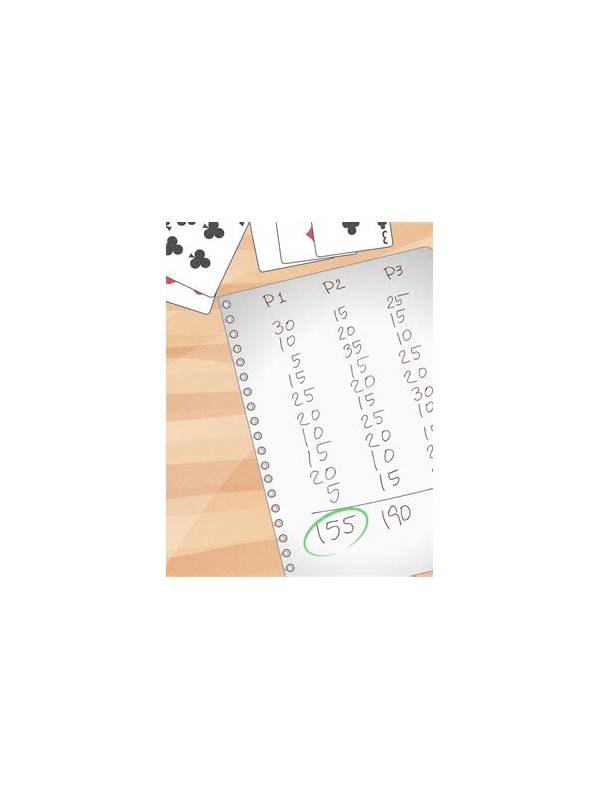
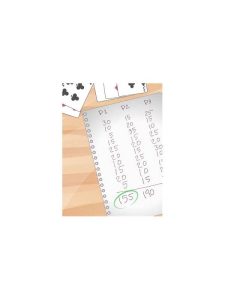
High cards often receive early attention because they can carry a larger point value if left ungrouped. That does not make every high card an automatic discard. If a high card belongs to a strong sequence, its role in the group may outweigh its isolated value.
Start by separating the card from the group in your mind. Ask whether the sequence is already complete, needs one card, or is only a hopeful pair. A high card in a completed valid sequence is not exposed in the same way as a high card sitting alone. A high card in a pair still needs evidence before it earns long-term protection.
Check the quality of the route. A connected middle-to-high run may have more than one possible extension, while an edge card often has fewer. Consider whether the missing card is still realistically available and whether completing the sequence would satisfy an important rule. If the route is narrow and several turns have passed without improvement, the original logic may no longer hold.
Compare the high card with your other candidates. A low-value card with no connections can also block the hand and should not be protected merely because its points are small. The best discard is often the card that combines poor structure with limited future value, not simply the card with the largest printed number.
Timing changes the answer. Early in the hand, a strong high-card sequence can be worth testing because there is room for development. Near the end, if the sequence remains incomplete and your hand is exposed, reducing points may become more important. Use the table rules and the known state of the hand rather than a fixed slogan.
Keeping a high card is therefore a conditional decision. State the reason in one sentence: “I am keeping this because it is one card from a useful sequence.” Set a review point. If that reason disappears, let the card go without treating the discard as a personal failure.
Check whether the card helps you read the rest of the hand. A high card supporting two routes may be a useful anchor, but an anchor should not become permanent. Re-sort after each meaningful draw. If the card is no longer central, compare it normally with every other discard candidate. This keeps a good early decision from becoming an automatic late decision.