Rummy How-To: Build a Small Decision Log During Practice
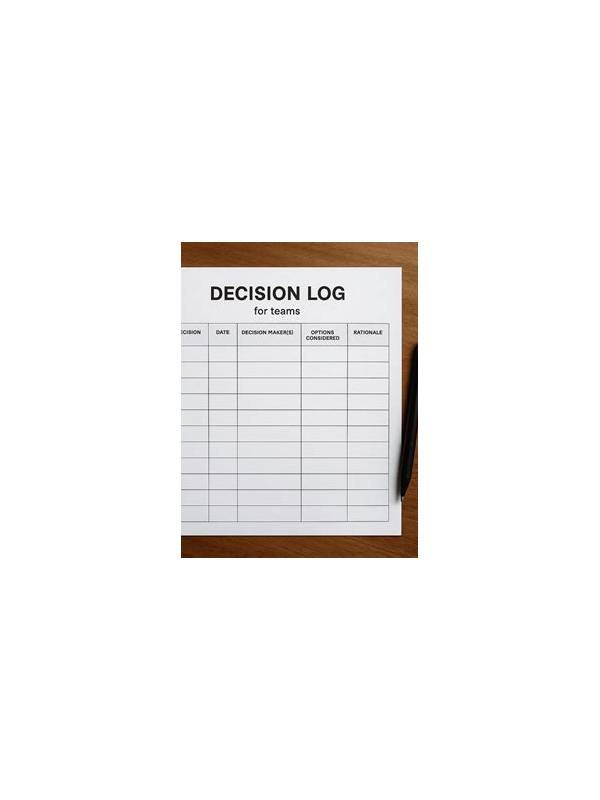
A practice log does not need every draw and discard. Recording everything can make review tiring and may distract you during the hand. A small decision log captures only the turns that changed the plan, exposed a mistake, or offered a meaningful alternative. The goal is to create evidence for the next practice session.
Use four short fields: turn, situation, choice, and alternative. The situation might be “pair versus open run, high single still held.” The choice records what you did. The alternative names the strongest other move you noticed, even if you would not choose it now. Add one sentence about why the decision felt reasonable at the time. This last field separates a process error from an unlucky result.
Mark only two or three turns per hand. Good candidates include the first discard, the moment you abandoned a route, a decision involving a joker, and the final verification before a declaration. If the same type of turn appears repeatedly, give it a tag such as “narrow draw” or “ignored penalty.” Tags make patterns easier to see later without requiring a long narrative.
Review the log after the session, not while emotional about the outcome. Ask whether the evidence available at the time supported your choice. Do not judge the decision solely by the card that arrived afterward. A reasonable choice can miss, and a poor choice can get lucky. Compare the plan, dependency, and fallback instead.
End with one experiment for the next session. Examples include “set a deadline for exact draws,” “verify every group before declaring,” or “list three discard candidates.” One experiment is enough. A compact log should make practice more focused, not turn each hand into paperwork. Over time, the repeated tags will show which decisions deserve deliberate attention. Keep the log anonymous when practicing with other people. A hand label is enough; names, contact details, and private messages do not improve the lesson. At the end of a week, count the tags and choose the most common one for a focused drill. This turns scattered observations into a small learning loop: notice, record, test, and review. The log remains useful because it is selective rather than exhaustive. In a practice round, say the reason for the choice in one sentence before moving on. This makes the idea testable and keeps the review anchored to evidence. If the hand changes, update the sentence instead of defending the old plan. The cards will still contain uncertainty, but the decision will have a clear basis. A short routine also works for beginners because it focuses attention on one visible trade-off at a time. After several rounds, compare the sentences and note which assumptions were consistently useful, which were too narrow, and which caused unnecessary delay. That comparison can guide a focused drill for the next session.